
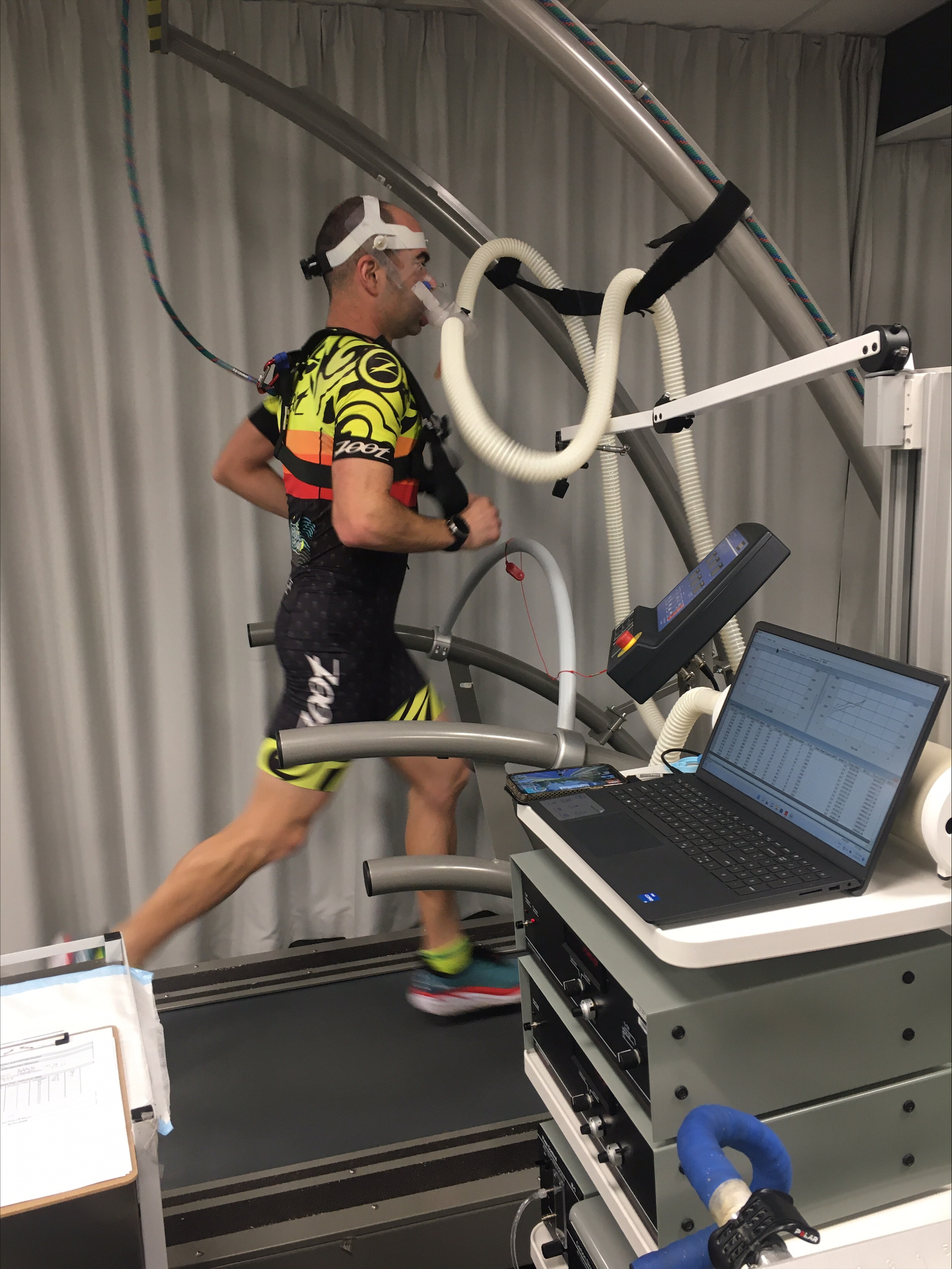
The research behind
every coaching decision.
Five peer-reviewed publications. A completed PhD. Interactive intelligence surfaces that translate 34,731 training sessions into coaching decisions you can actually use.
Research you can use — not just read
Interactive coaching surfaces that translate published PhD research into benchmarks, decision-frameworks, and tools you can apply to your own training.

The published evidence base
Original research from a completed PhD and ongoing academic work — every paper focused on how coaches make better training load decisions for real athletes.

An examination of how and why triathlon coaches use a suite of technologies in their practice
An Interpretive Exploration of Australian Triathlon Coaching Practices: Working Toward Optimal Training Load Practice
Read →Differences between Australian triathlon coaching practices and evidence-based training load management recommendations
Training load and intensity in triathlon: Objective differences between sex, age, race distance preference and training phase across a cohort of 95 age-group triathletes over six months
Read →
Triathlon Coaching Practices: Optimising Training Load Processes and Communication
Read full thesis →Where the research has been presented
 Podcast
True Business Stories
Discussing innovation, transitioning to sport science, completing a PhD, and building an evidence-based triathlon coaching business.
Listen →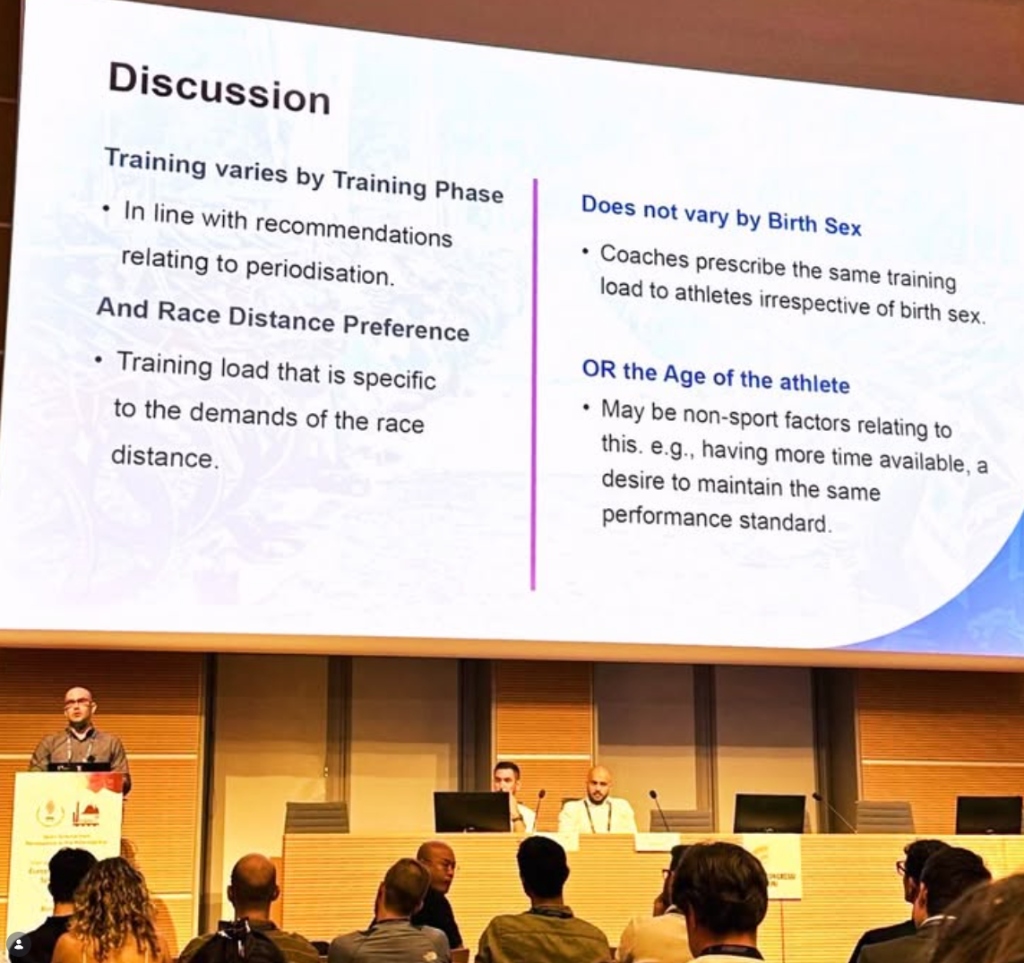 Conference
ECSS Congress
Rimini, Italy · 2025
Presentation at the European College of Sport Science annual congress on triathlon coaching practices and training load decision-making.
 Industry
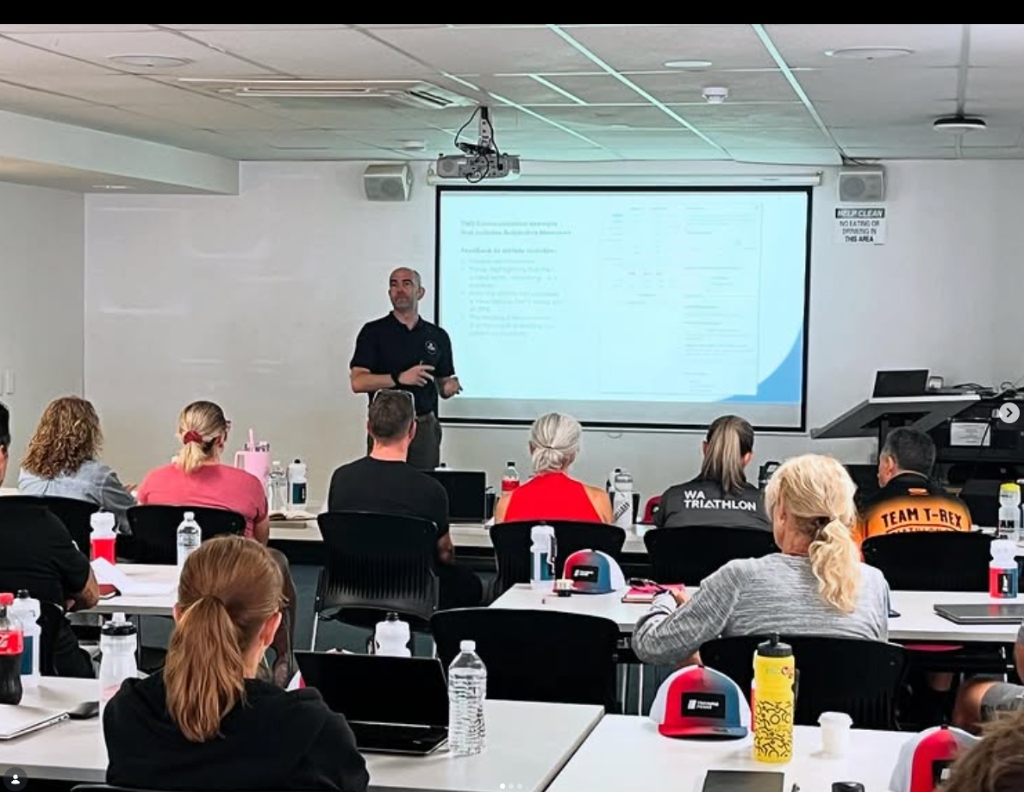
AusTriathlon × TrainingPeaks
Invited speaker at the AusTriathlon and TrainingPeaks coaching education series on evidence-based load management for age-group coaches.
Thinking that didn't fit in a journal
Longer-form writing on training science, coaching practice, strength for endurance, and the things the published literature doesn't always address — written for the athlete, not the reviewer.
Strength Training for Endurance Athletes
The evidence for concurrent training, how strength adaptations transfer to endurance performance, and practical programming considerations.
Read on Substack →The Life Load Problem
Why training load management fails when it only counts what happens in the training file — and what coaches can do about it.
Read on Substack →The research behind the coaching
Eight in-depth articles translating the Literature Review of Leighton's doctoral thesis into actionable coaching knowledge — grounded in the evidence, structured for practitioners.
Adapted from: Triathlon Coaching Practices — Optimising Training Load Processes and Communication · Deakin University Repository →
Understanding Training Load
The stress-response mechanism behind every coaching decision — from Banister's model to modern load theory.
Coaching · §2.3The Coach's Role & Knowledge
How coaching knowledge, experience, and practice shape training load decisions.
Prescription · §2.4Prescribing Training Load
From periodisation theory to real-world coaching — intensity zones, volume planning and load progression.
Metrics · §2.5–§2.7Measuring What Matters
External load, internal load, and the metrics that connect prescription to physiological response.
Life Load · §2.12–§2.13Life Load
Why training stress is only half the picture — the framework that captures the full stress landscape.
Monitoring · §2.8–§2.11Monitoring & Communication
Closing the gap between data and decisions — how coaches track, interpret, and communicate load.
Health · §2.14–§2.15Athlete Health & Injury
Managing load to protect the athlete — injury risk, recovery, and the overtraining continuum.
Triathlon · §2.16Triathlon Training Load
The multidisciplinary challenge — training volume, load research, and the triathlon-specific evidence base.
Built from research, not marketing
Every framework behind Summit coaching was derived from published research into how experienced coaches actually make training load decisions with real athletes.
Life Load
Sport Load + Non-Sport Load. The framework that captures the full stress picture, not just the training file.
Learn more →ACIP
Adaptive, Contextualised, Informed Practice. The coaching model that governs how training decisions are made.
Learn more →M + M = D
Measurement + Meaning = Decision. The structural equation for every coaching decision at Summit.
Learn more →Want to discuss the science?
If you're interested in the research, have questions about the frameworks, or want to explore how evidence-based coaching could work for you — let's talk.