

PhD Thesis Chapter 10: Final Reflections - Life, Triathlon, Load, and Living the Research
This is the final chapter, Chapter 10, of my PhD thesis. It's my reflections on triathlon, my PhD journey, and what it all means to me - and hopefully what my PhD means to the triathlon community.
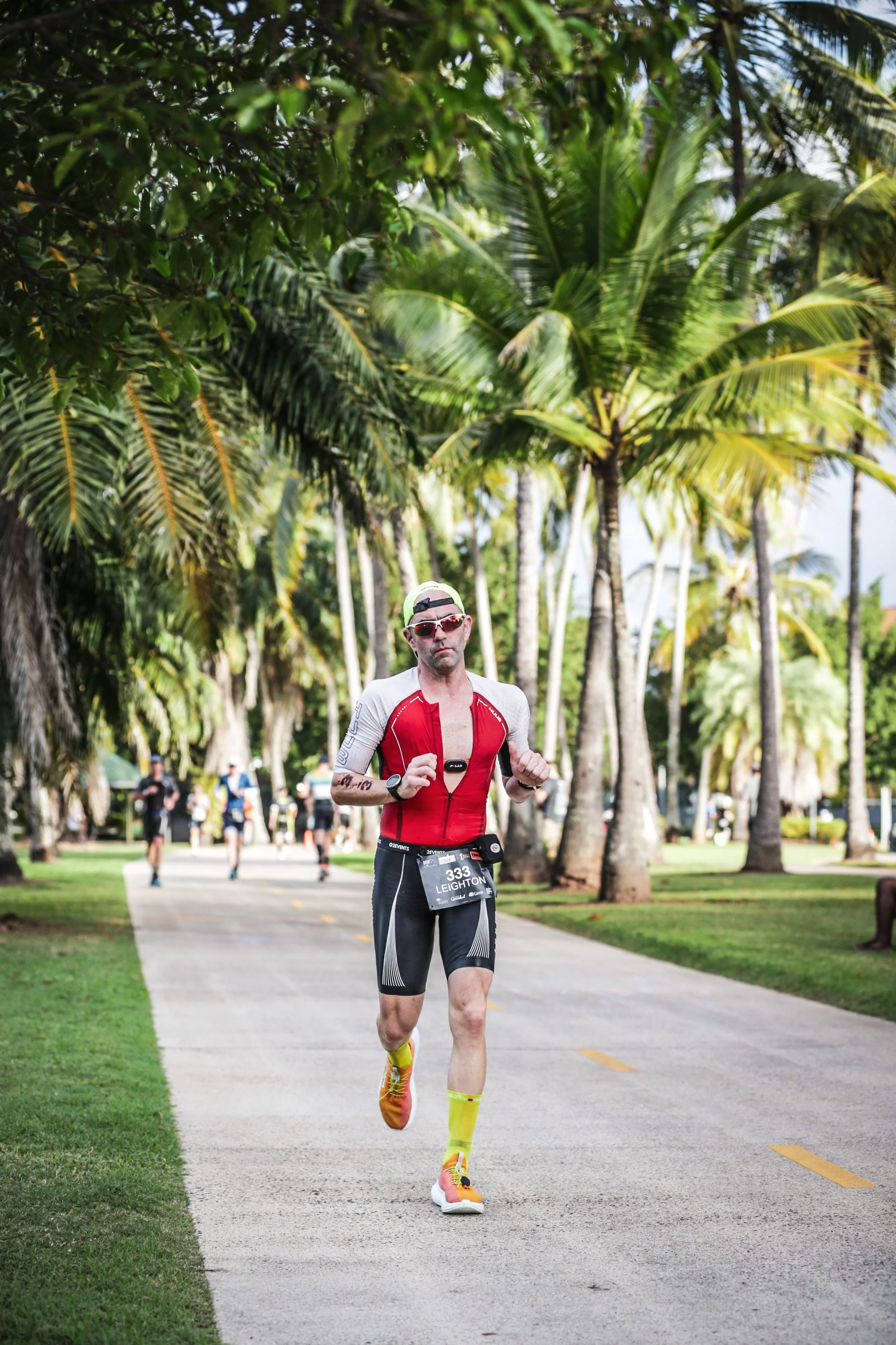
At the start of my PhD in 2022, I was still burning with the fire that began as a nine-year-old watching my fifteen-year-old cousin Dave complete the 1986 Geelong Endurathon—2km swim, 80km bike, 20km run—at just fifteen. That race lit something in me, and that has stayed with me. I raced Ironman 70.3 Geelong and Ironman Cairns in 2022, just before and after starting my PhD. Racing with the same spirit that had shaped three decades of long-course identity. In 2023, I backed it up again, racing both Geelong and Cairns. These weren’t just events—they were chapters in a story first written, being driven to races in my friend Phil’s VW Kombi, where we’d race together in some random-distance but iconic sprint races in the 90s, watching legends like Greg Stewart and Tim Bentley out on course. We were inspired by the spiderweb-patterned green Lycra and the mythic cadence of disc wheels screaming down Eastern Beach Road.
By then, I’d bought my first Centurion Odessa triple-moly steel frame because Dave Scott rode a Centurion. I’d idolised Tim Bentley in my high school years, who coached my swimming for a time, and eventually came to be coached by Mark Allen. Later, I’d write for Craig Alexander’s coaching business and exchange emails with Dave Scott. The DNA of triathlon is in me.
As the PhD gathered pace—as teaching expanded, multiple studies ran concurrently, and family life rightfully demanded more presence—I made the difficult call to step back from heavy training and racing. Between parenting, teaching, research, coaching, and writing, I didn’t have the bandwidth for the load of Ironman preparation. The irony wasn’t lost on me: researching how life load affects training while feeling the squeeze of that exact tension every day. I found it hard to even think about racing. I missed it.
Then I realised: this is the research. Age-group triathletes live in the grey zone. They wrestle with conflicting priorities. They love the sport, but sometimes life says not now. We manage ambition through the chaos of kids' lunchboxes, work and study deadlines, family responsibilities, and missed swim sessions. It's not neat. It never was. That’s why it matters. When triathlon is baked into who you are, pressing pause can feel like a personal fracture.
This is where the coach becomes critical. Great coaching is not just about metrics or planning sessions. It’s about helping athletes know when to push and when to yield, when to chase the dream and when to find peace in waiting. Helping athletes navigate that balance between love for the sport and loyalty to life, without guilt or shame, is one of the most deeply human, rarely studied, and fiercely real parts of coaching. I lived this duality (tri-ality? – pun intended). I was the coach, the athlete, and the researcher simultaneously. I saw the research from the inside—through the eyes of the coach, the athlete's sweat, and the scholar's questions. The research gave me space to surface these lived experiences in ways that felt authentic, contextual, and real.
Despite pausing my racing, I kept coaching. In 2024 and 2025, two of my athletes achieved personal bests, each taking more than 40 minutes off their Ironman 70.3 times. Another, a 50–59 age group athlete, placed third at the Coolangatta Gold Surf Life Saving Championships. I reconnected to the sport not just as a competitor, but as an anchor for others. That’s the beauty of this space: when you step back, you can still lift others.
I will return to racing. Maybe a few sprint distance events first, to remind the legs—and the soul—what it feels like. And when I do, it’ll be with a deeper sense of what training load and triathlon coaching really mean. I’ve done seven Ironman events. I’ll toe the line again soon. For now, this PhD was my Ironman. And like any long-course event, it tested, wrought change upon me, and left me transformed on the other side. The work cost something. I’ve left a part of me with this doctorate, but it was worth the battle.
I hope that this thesis doesn’t just reflect the science. I hope it channels the smell of neoprene, the quiet fatigue of 6 am swim sessions, the gunshot sound of someone else’s tire blowing out in the early morning transition area – hoping that doesn’t happen to you, and the reverence for legacy names talked about in racing war stories. I hope it honours the boy being driven to races in the Kombi, the pros who unknowingly shaped him, and the man who found meaning in the messy middle. I hope it reflects the soul of age-group triathlon—and those of us who call it home.